 FreshReads
Creating Healthier Cities: The Role of Biophilic Design in Architecture
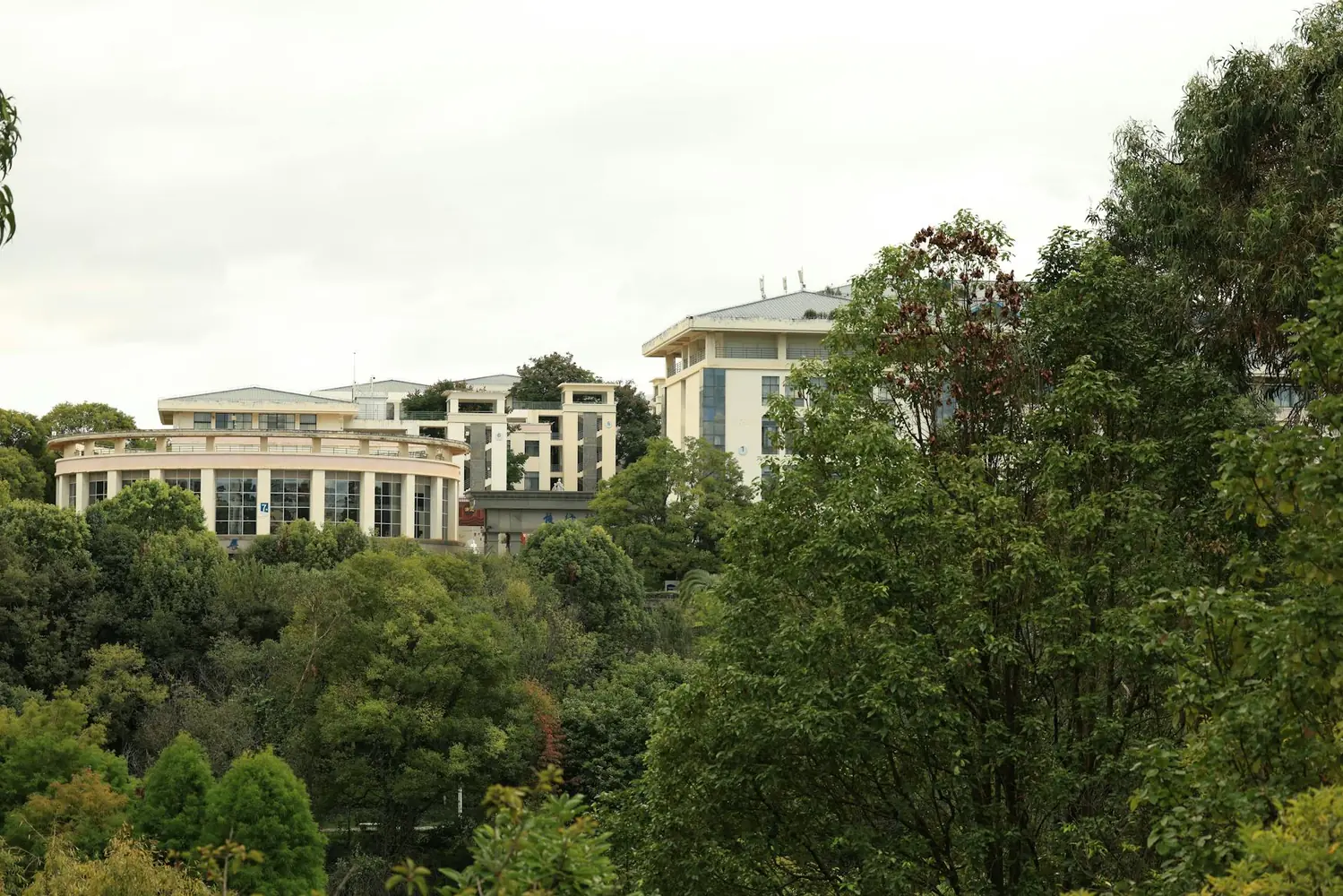
Integrating Nature into Urban Architecture
As urban centers continue to expand, the need for incorporating elements of nature into city living has become increasingly apparent. Biophilic design, a concept that promotes a strong connection between nature and built environments, is gaining traction as a means to
The Foundations of Biophilic Design
At its core, biophilic design is grounded in the idea that humans have an inherent affinity for nature, a concept known as 'biophilia.' This psychological foundation supports the inclusion of natural elements in architecture to enhance human well-being and productivity. Some fundamental principles include:
- Visual Connection with Nature: Maximizing views of natural elements through windows, balconies, or open spaces.
- Non-Visual Connections: Incorporating natural sounds, scents, and materials to stimulate other senses.
- Thermal and Airflow Variability: Designing spaces that mimic natural environments by allowing for variations in temperature and airflow.
These principles can be applied to both residential and commercial architecture, promoting environments that are not only aesthetically pleasing but also improve mental and physical health.
Case Studies: Exemplary Projects
The Bosco Verticale, Milan
One of the most iconic examples of biophilic design is the Bosco Verticale, or 'Vertical Forest,' in Milan, Italy. Designed by Stefano Boeri Architetti, this pair of residential towers incorporates over 900 trees and 5,000 shrubs, equating to approximately 20,000 plants. The building not only enhances the aesthetic appeal of the skyline but also contributes to air purification and noise reduction.
The integration process involved close collaboration with botanists and ecologists to ensure that the plant species chosen could thrive in the urban environment. Regular maintenance schedules were established to keep the vegetation healthy, demonstrating how successful biophilic design requires ongoing commitment beyond initial construction.
The Parkroyal Collection Pickering Hotel, Singapore
This hotel exemplifies how commercial spaces can successfully integrate biophilic principles. The design includes lush gardens on every floor and a large sky garden that features over 15,000 square meters of greenery. The use of plants throughout the structure helps regulate temperature and improve air quality for guests.
Incorporating automated irrigation systems and sustainable building materials, this project showcases how modern technology can assist in maintaining biophilic elements without placing undue strain on resources or requiring excessive human labor.
Practical Tips for Implementing Biophilic Design
For architects and designers looking to incorporate biophilic elements into their projects, here are some practical tips:
- Assess Local Ecosystems: Understanding local flora and climate conditions is crucial for selecting plant species that will thrive in the intended environment.
- Incorporate Water Elements: Features like fountains or indoor waterfalls can enhance a space's aesthetic while providing soothing auditory experiences.
- Use Natural Materials: Opt for wood, stone, and other natural materials that can add texture and warmth to interiors.
- Create Multi-Sensory Experiences: Integrate lighting that mimics natural patterns and use textures or scents that evoke a sense of nature.
These strategies help develop spaces where occupants feel more connected to nature, leading to increased satisfaction and well-being.
Challenges and Considerations
While the benefits of biophilic design are significant, there are challenges to consider. One major obstacle is cost; implementing these designs can be expensive due to the need for specialized knowledge and maintenance. Moreover, urban planners must balance natural elements with existing infrastructure demands.
Another consideration is the potential impact on local biodiversity. Introducing non-native plant species can disrupt local ecosystems if not managed carefully. Thus, collaboration with environmental scientists is essential to mitigate adverse effects while enhancing ecological diversity within urban settings.
The Future of Biophilic Urban Design
The increasing interest in sustainable and healthy living spaces suggests a promising future for biophilic design. As cities adapt to accommodate growing populations, integrating natural elements into urban planning will likely become an essential practice. Innovations in green technology and materials science continue to support this transition, offering new ways to incorporate nature into our daily lives effectively.
In conclusion, biophilic design represents a shift towards more holistic architectural practices that prioritize human well-being alongside environmental stewardship. By drawing inspiration from the natural world, architects can create vibrant urban landscapes that not only meet the needs of modern society but also nurture the innate human desire for connection with nature.