 FreshReads
Japanese Street Fashion's Transformative Impact on Global Trends and Designers
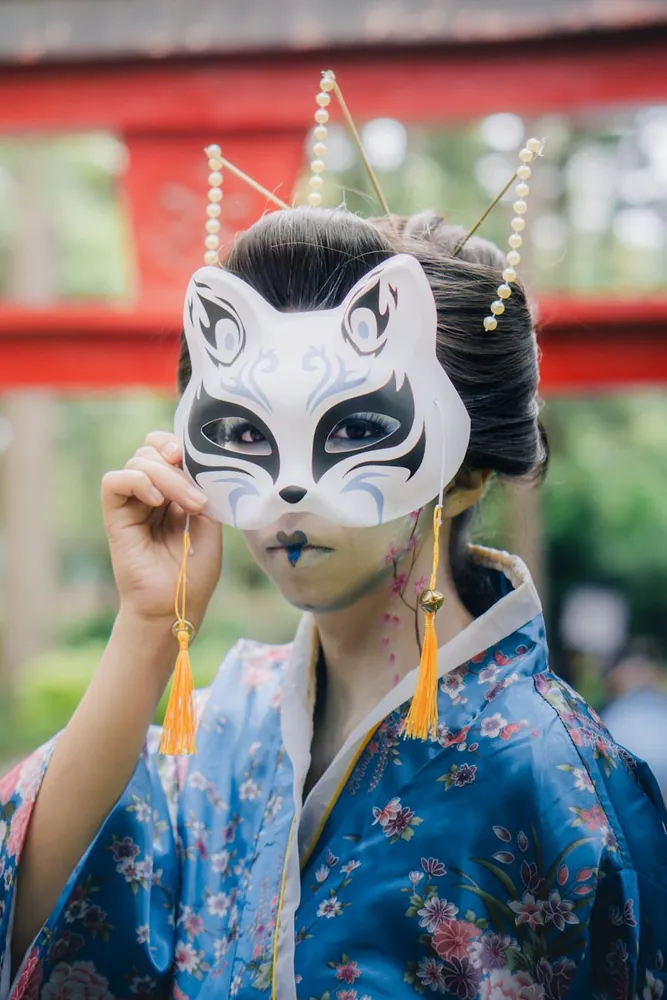
Emergence of Japanese Street Fashion
Japanese street fashion, characterized by its eclectic styles and vibrant colors, has played a significant role in shaping global fashion trends.
The unique aspect of Japanese street fashion is its emphasis on individual expression and subculture affiliations. In post-war Japan, Western styles began infiltrating the fashion scene, but it was in the late 20th century that these influences were reimagined through the lens of Japanese youth culture, leading to new, distinct styles.
The Role of Harajuku
Harajuku, a district in Tokyo, became synonymous with innovative fashion thanks to its liberal sartorial expressions. Streets filled with teenagers sporting Gothic Lolita, Decora, or Cosplay styles transformed the area into a melting pot of creativity. Each style carries its own identity and set of rules:
- Gothic Lolita: Inspired by Victorian and Rococo fashions, this style combines dark colors with lace and ribbons to create a mysterious yet elegant look.
- Decora: Known for its colorful, accessorized outfits that often include dozens of hair clips and layered clothing.
- Cosplay: Originating from 'costume play', it involves dressing up as characters from anime or manga, reflecting Japan's pop culture influence.
This vibrant fashion scene attracted global attention as photographers and designers flocked to capture its uniqueness, spreading the aesthetic worldwide.
Global Influence on Fashion Designers
Japanese street fashion's impact is evident in the collections of numerous international designers who incorporate elements such as bold colors, layering, and unexpected combinations into their work. Let's explore how some designers have integrated these influences into their creations:
Vivienne Westwood and Punk Aesthetics
Vivienne Westwood, renowned for her pioneering punk fashion in the UK, found inspiration in Japan's street style, particularly its rebellious spirit. Her use of tartan patterns and deconstructed garments resonates with Harajuku’s blend of historical references and modern subversion.
Westwood's approach shows how Japanese street fashion inspires designers to blend traditional elements with contemporary edge, creating a dialogue between past and present.
Comme des Garçons: Rei Kawakubo's Revolutionary Designs
Rei Kawakubo's brand Comme des Garçons exemplifies how Japanese designers export their avant-garde concepts to the world. Kawakubo challenges norms with asymmetrical cuts and monochromatic palettes reminiscent of street fashion's experimental nature.
Her designs deconstruct conventional silhouettes, much like how street styles mix different eras and cultures to create something wholly new.
Contrasting Approaches: High Fashion vs Street Style
While high fashion focuses on exclusivity and luxury, street style thrives on accessibility and community participation. This contrast offers diverse ways for fashion enthusiasts to engage with trends:
- High Fashion: Generally associated with haute couture houses and luxury brands. It emphasizes craftsmanship and often presents a polished, restrained vision of creativity.
- Street Style: Known for being accessible and democratic. It encourages personal expression without strict adherence to high fashion standards.
The tension between these approaches has resulted in a fusion where high fashion borrows from street culture’s raw creativity, while street style gains sophistication by incorporating high-end elements.
When to Choose Each Approach
The choice between high fashion and street style often depends on personal preference, occasion, and cultural context:
- If seeking individuality or wishing to express subcultural affiliations, street style provides a platform to explore creativity without boundaries.
- For events requiring formal attire or when one desires exclusivity and prestige, high fashion offers the elegance and craftsmanship associated with luxury brands.
The Evolution Continues
Japanese street fashion continues to evolve, influenced by global trends and digital platforms. Social media has amplified its reach, allowing trends like Kawaii (cute culture) and techwear (functional aesthetics) to gain international traction.
The dialogue between Japanese street fashion and global designers is ongoing. As technology changes how we perceive and interact with fashion, these styles offer dynamic ways to understand identity through clothing.
The Future of Japanese Street Fashion
The future looks promising as more designers embrace inclusivity and sustainability. Japanese street style serves as a blueprint for creating eco-conscious collections that prioritize individuality over mass production.
In conclusion, Japanese street fashion not only reshapes how we view clothing but also challenges us to think differently about identity and community within the global fashion landscape.