 FreshReads
Easy Cooking Methods to Make the Most of Your Leftovers
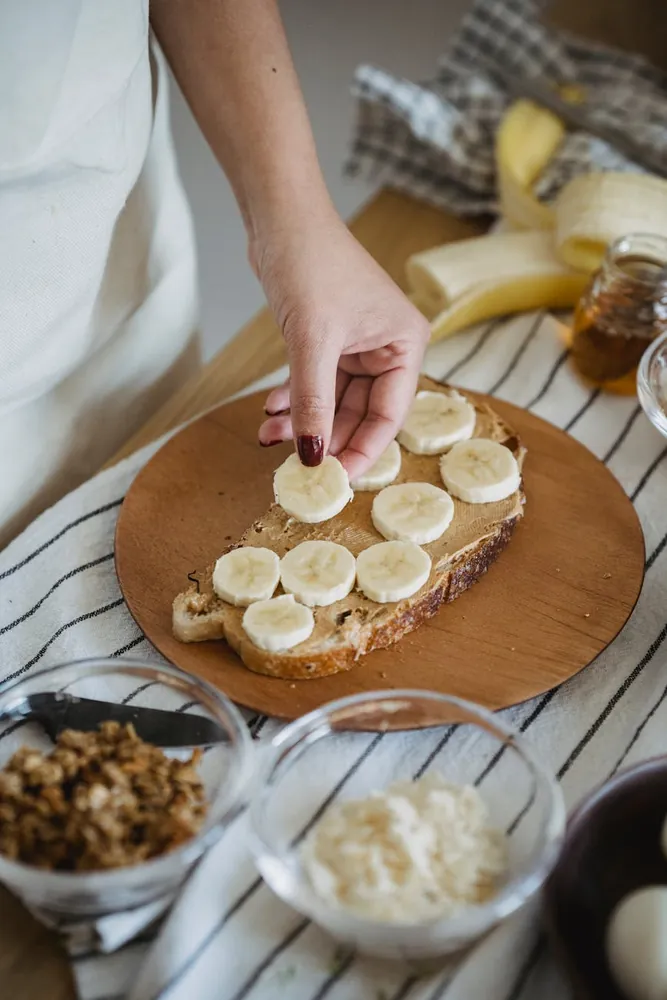
Transforming Leftovers: A Culinary Art
In today's fast-paced world, leftovers often become a conundrum rather than an opportunity. Yet, with a touch of creativity and understanding of flavors, these seemingly mundane remnants can be transformed into gastronomic delights.
Assessing Your Leftovers: The First Step
The initial step in creating a new dish from leftovers is an honest assessment of what you have. Open your refrigerator and take stock of perishable items first — cooked vegetables, grains, proteins, and dairy products. Identify key flavors or components that stand out and begin envisioning possible combinations. Are there mashed potatoes? Leftover grilled chicken? Perhaps a lonely bunch of wilted spinach?
Once you've identified the components, evaluate their condition. Freshness is key. Vegetables that are too soft may still work for soups or stews, while meats that remain tender can be repurposed into stir-fries or tacos. Keeping this in mind not only ensures food safety but also enhances the taste and texture of your final dish.
Pairing Complementary Flavors: The Art of Balance
Finding complementary flavors is akin to painting a harmonious picture. Consider the base flavor of each leftover item. For instance, the earthiness of roasted carrots pairs beautifully with the tangy sweetness of balsamic vinegar. Likewise, a lemony dressing can elevate grilled chicken by cutting through its richness.
Spices and Herbs: Your Flavor Allies
Herbs and spices can dramatically transform any dish. If you have leftover rice, consider adding curry powder and a handful of chopped cilantro for an Indian-inspired twist. Similarly, basil and oregano can turn leftover tomato sauce and pasta into an Italian feast. Keep a variety of dried herbs and spices on hand to enable quick flavor enhancements.
Textures: Adding Interest to Every Bite
When working with leftovers, texture is just as important as flavor. Creamy mashed potatoes can act as a perfect binding agent for croquettes or patties. Adding toasted nuts or seeds can provide a satisfying crunch to otherwise soft dishes like soups or stews.
Easy Cooking Methods: Simple Techniques with Big Impact
With the leftovers assessed and flavors paired, it's time to decide on a cooking method. Opt for techniques that are simple yet effective in bringing out the best in your ingredients.
Sautéing: Quick and Flavorful
Sautéing is ideal for breathing new life into vegetables or proteins. Start by heating oil in a pan; add aromatics like garlic or onions to build a flavorful base. Next, add your leftover vegetables or meats, allowing them to reheat while absorbing the aromatic oils.
Baking: A Method for All Seasons
Baking can turn your leftovers into casseroles or gratins. Layer cooked pasta with vegetables and cheese in a baking dish for an instant gratin, or combine leftover bread and fruits with eggs and milk for a hearty bread pudding.
Stir-Frying: A Symphony of Flavors
A perfect technique for incorporating assorted leftovers, stir-frying requires high heat and quick cooking time. Begin with oil and aromatics, add protein like tofu or chicken, followed by vegetables and a quick splash of soy sauce or sesame oil.
Blending: Soups and Smoothies
Blenders are indispensable when it comes to repurposing less visually appealing leftovers. Vegetables past their prime can become vibrant soups with the addition of broth and cream. Meanwhile, ripe fruits blend seamlessly into refreshing smoothies.
Concrete Examples: Turning Ideas into Plates
Theory aside, let’s look at some practical examples where these principles come together:
- Leftover Roasted Vegetables: Chop finely and mix with eggs and breadcrumbs for vegetable fritters.
- Cooked Rice: Combine with diced vegetables, soy sauce, and scrambled eggs for fried rice.
- Grilled Chicken: Shred and toss with barbecue sauce; serve in tacos with coleslaw.
Case Study: From Leftover Pot Roast to Hearty Shepherd's Pie
A classic pot roast can easily become the star of a shepherd’s pie. Shred leftover beef; mix it with cooked peas, carrots, and gravy. Top with creamy mashed potatoes and bake until golden brown for a comforting dish that feels fresh and new.
Conclusion: Elevating Leftovers
The journey from leftover to masterpiece involves assessing, balancing flavors, and selecting appropriate cooking methods. The goal is not only to minimize waste but also to create something delightful and nourishing. By applying this framework consistently, you'll find yourself crafting meals that surprise even the most discerning palate, proving that leftovers are indeed an untapped resource rather than an inconvenience.