 FreshReads
Starting a Small Pizza Garden: Essential Plants and Care Techniques
Planning Your Pizza Garden
Starting a pizza garden is an exciting venture that allows you to grow fresh ingredients right in your backyard. The key plants you'll be focusing on are tomatoes, basil, and peppers—each essential for creating the perfect homemade pizza.
Choosing the Right Location
Your garden's location is critical for plant health. Choose a spot that receives at least six to eight hours of sunlight daily, as tomatoes and peppers are sun-loving plants. Additionally, consider the proximity to a water source to facilitate easy watering.
Good drainage is also essential. If your soil retains too much water, it can lead to root rot. Consider using raised beds if your garden area has poor drainage or heavy clay soil.
Designing the Layout
When designing your garden layout, consider how much space each plant needs. Tomato plants should be spaced about 18 to 24 inches apart, as they tend to spread out. Basil can be planted between tomato plants to maximize space and benefit from the partial shade provided by taller plants. Peppers require about 18 inches between each plant.
A practical tip is to arrange the plants in rows or clusters based on their watering needs. Tomatoes and basil can be placed together, while peppers might need separate rows if they require different care.
Selecting and Preparing the Soil
The foundation of any successful garden is healthy soil. Conduct a soil test to determine its pH and nutrient levels. Tomatoes and peppers prefer slightly acidic soil with a pH of 6.0 to 6.8, whereas basil thrives in slightly more alkaline conditions but can tolerate similar pH levels.
- Amend the soil: Add organic matter like compost or well-rotted manure to improve soil structure and nutrient content.
- Adjust pH levels: If necessary, use lime to raise the pH or sulfur to lower it, according to the results of your soil test.
Consider mulching with straw or wood chips to retain moisture and suppress weeds once your plants are established.
Planting Tomatoes
Tomatoes are a cornerstone of pizza sauce. Choose from various varieties like Roma for paste or cherry tomatoes for fresh toppings. Start seeds indoors six to eight weeks before the last expected frost date in your area, or purchase young plants from a nursery.
Transplanting Tips
Once outdoor temperatures remain consistently above 50°F (10°C), it's time to transplant seedlings into the garden.
- Harden off seedlings: Gradually expose them to outdoor conditions over a week before planting.
- Plant deep: Bury two-thirds of the stem when transplanting to encourage strong root development.
Provide support with stakes or cages as tomatoes grow tall and heavy with fruit.
Growing Basil
Basil adds aromatic flavor and freshness to pizzas. It grows best in warm weather and can be directly sown into the garden once all danger of frost has passed.
Caring for Basil Plants
- Pinch back leaves: Encourage bushier growth by regularly pinching back leaves, especially when flowers begin to form.
- Avoid overwatering: Water deeply but infrequently, allowing the soil surface to dry out between waterings.
Basil can also be grown in containers on patios or balconies if space is limited.
Cultivating Peppers
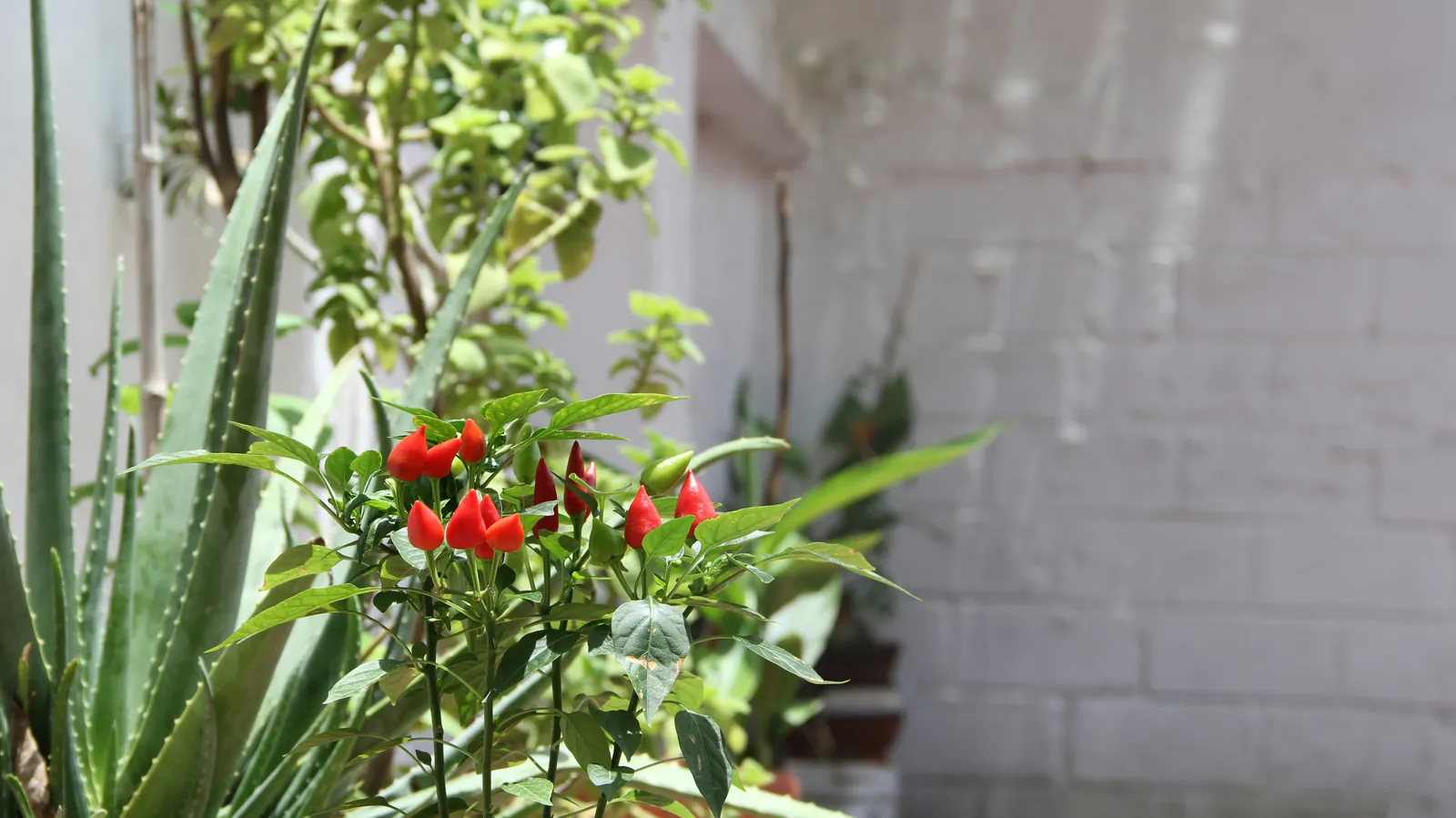
Peppers add spice and sweetness, depending on the variety chosen. Bell peppers are excellent for those who prefer mild flavors, while jalapeños offer a kick for spicy pizza lovers.
Best Practices for Pepper Growth
- Sow indoors: Start seeds indoors about eight weeks before transplanting outside after the last frost.
- Warm soil requirement: Peppers thrive when nighttime temperatures remain above 60°F (15°C).
Use black plastic mulch around pepper plants to retain heat and discourage weeds.
Pest Management Techniques
A thriving garden can attract pests that jeopardize your crops. Implement integrated pest management strategies that focus on prevention and minimal chemical use.
- Companion planting: Marigolds deter nematodes; nasturtiums repel aphids.
- Naturally-derived insecticides: Use neem oil or insecticidal soap as a last resort against persistent pests like aphids or hornworms.
Harvesting and Using Your Produce
The reward of your hard work comes when you harvest ripe produce for fresh pizzas!
- Tomatoes: Pick when fully colored and firm, usually mid-summer onwards depending on your region.
- Basil: Harvest leaves frequently to encourage new growth—ideal just before making pizza sauce for peak flavor.
- Peppers: Allow peppers to mature on the plant for full flavor, picking when they reach desired color and size.
Create a vibrant pizza sauce by blending freshly harvested tomatoes with chopped basil and cooked down with garlic and onions from your garden if available.
The Mini-Framework for Pizza Garden Success
- Select optimal site & plan layout: Ensure adequate sunlight and space planning tailored to each plant's needs.
- Prepare healthy soil: Conduct soil tests; amend as necessary with organic materials.
- Select appropriate varieties & start seeds: Choose based on climate; start seeds indoors where applicable.
- Cultivate & care strategically: Water wisely; practice pruning techniques specific to each plant type.
- Pest & harvest management: Apply integrated pest control measures; enjoy timely harvests for flavorful pizzas!