 FreshReads
Exploring Conservation Strategies for Protecting Native Birds from Invaders
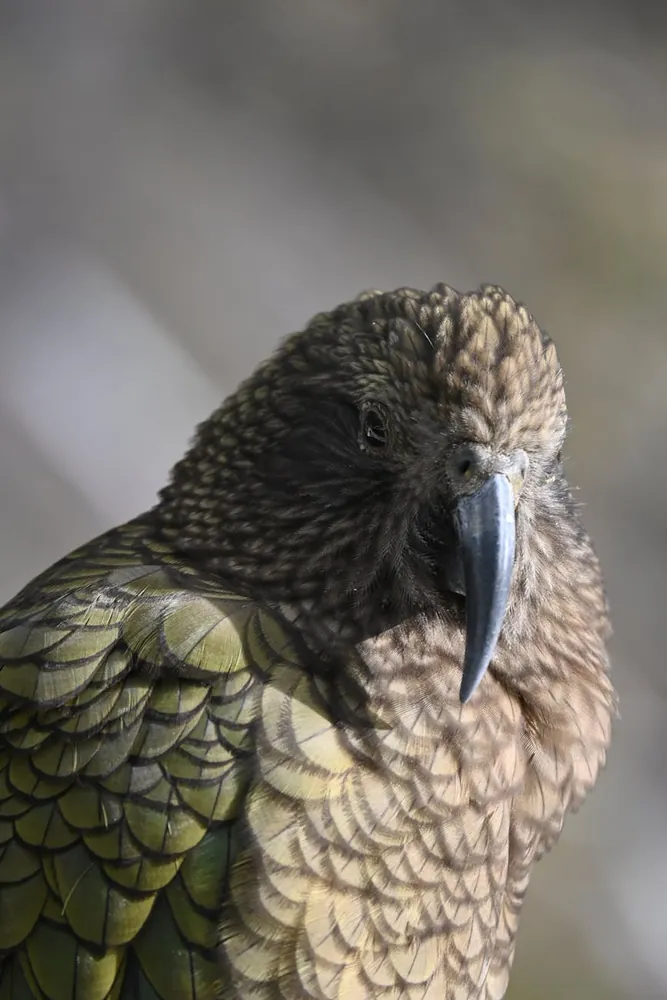
The Threat of Invasive Species to Native Bird Populations
Invasive species are non-native organisms that, when introduced to a new environment, can cause significant harm to the ecosystem. Their impact on native bird populations is profound, as they compete for resources, introduce new predators, and disrupt habitats.
Understanding Invasive Species
Invasive species can include plants, animals, fungi, or microorganisms that establish themselves in areas where they do not naturally occur. The introduction of these species is often accidental, such as through global trade, travel, or intentional releases by humans.
- Examples: The brown tree snake in Guam is infamous for decimating native bird populations. Similarly, the introduction of cats and rats to islands around the world has led to numerous extinctions of bird species.
- Characteristics: Invasive species often have a competitive advantage over native species due to their rapid growth rates, high reproductive success, and adaptability to new environments.
Assessing the Ecological Impact
The impact of invasive species on native birds can be devastating and multifaceted. It is essential to assess this impact accurately to prioritize conservation efforts.
Displacement and Competition
Many invasive species outcompete native birds for food and nesting sites. For example, European starlings in North America aggressively compete with native cavity-nesting birds like bluebirds and woodpeckers.
Predation
Some invasive species introduce new predation pressures. The case of the small Indian mongoose in Hawaii illustrates this, as it preys on eggs and hatchlings of ground-nesting birds, leading to population declines.
Disease Transmission
Invasive species can also carry diseases that native birds have no immunity against. The introduction of avian malaria by mosquitoes in Hawaii has significantly impacted native honeycreepers.
Exploring Mitigation Strategies
Developing and implementing mitigation strategies requires collaboration between conservationists, policymakers, and local communities. Effective strategies focus on prevention, control, and restoration efforts.
Prevention
Preventing the introduction of invasive species is the most effective method of protecting native birds. This involves stringent biosecurity measures at ports and borders, public education campaigns, and rapid response plans for new invasions.
- Case Study: New Zealand's successful prevention efforts have focused on strict quarantine measures and public awareness campaigns aimed at preventing the introduction of new pests.
Control and Eradication
Once invasive species establish themselves, control measures can include physical removal, chemical controls, and biological control agents. The eradication of rats from South Georgia Island using aerial baiting has successfully protected local bird populations.
Restoration of Habitats
Restoring degraded habitats can help bolster native bird populations. Projects that reintroduce native plant species or create predator-free reserves have shown promising results in places like Australia and New Zealand.
- Example: The reforestation of native flora in Mauritius has supported the recovery of the echo parakeet, once on the brink of extinction.
The Role of Technology in Conservation
Advancements in technology are providing new tools for monitoring and managing invasive species. Drones, remote sensing, and genetic technologies are becoming integral components of modern conservation strategies.
Drones and Remote Sensing
Drones equipped with high-resolution cameras can survey large areas quickly, allowing conservationists to monitor bird populations and detect early signs of invasive species.
Genetic Research
Genetic tools are being used to develop specific biological controls. For instance, gene drives could potentially suppress populations of invasive rodents by skewing sex ratios over successive generations.
- Ethical Considerations: While promising, genetic interventions require careful consideration of potential ecological impacts and ethical implications.
Engaging Communities in Conservation Efforts
The success of conservation strategies often hinges on community involvement. Engaging local communities can enhance project outcomes by incorporating traditional knowledge and fostering stewardship.
Community-led Initiatives
Many regions have benefited from community-led conservation projects. Local groups can monitor invasive species, report sightings, and participate in habitat restoration projects.
- Example: The Landcare movement in Australia empowers communities to manage their natural resources sustainably, resulting in significant improvements in biodiversity conservation.
Educational Programs
Education initiatives that highlight the importance of native birds and the threats posed by invasive species can mobilize community support for conservation actions. Schools and local organizations play a pivotal role in these educational efforts.
The Path Forward
Tackling the threat of invasive species requires a multifaceted approach that integrates prevention, control, restoration, technology, and community engagement. By leveraging these strategies, we can protect native bird populations from invaders and preserve the ecological integrity of our ecosystems.