 FreshReads
Research Insights into Arctic Fox Adaptability and Its Environmental Challenges
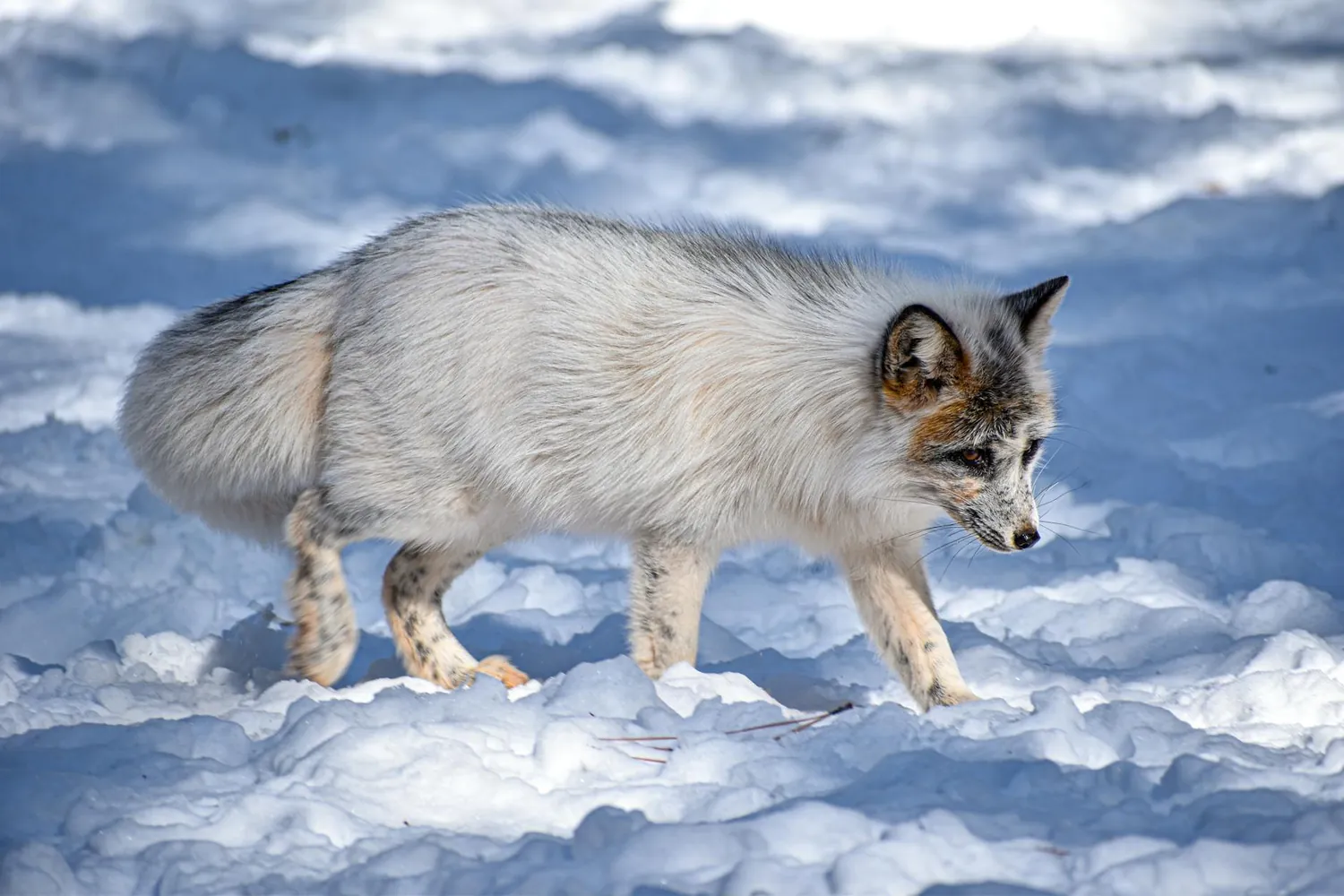
Adaptations for Extreme Cold: The Marvel of the Arctic Fox
The Arctic fox (Vulpes lagopus) is an extraordinary example of nature's adaptability. Surviving in the harshest conditions on Earth, these creatures boast a suite of adaptations that allow them to thrive where others cannot.
One of the most remarkable adaptations is their fur, which changes color with the seasons. In winter, their coat is thick and white, providing camouflage in the snow and insulating them against temperatures as low as -58°F (-50°C). In summer, it turns brown or grey to blend in with the tundra landscape. This dual-purpose adaptation is a perfect example of evolutionary design, maximizing both thermoregulation and camouflage.
The Role of Insulating Fur
The primary function of the Arctic fox's fur is insulation. With a multi-layered structure, it traps air and retains heat effectively. Beneath the surface, a dense underfur sits close to the skin, while longer guard hairs repel water and wind. This combination allows the fox to maintain a stable core temperature even during fierce arctic storms.
Behavioral Adaptations: More than Just Fur
While physical adaptations are crucial, behavioral adaptations are equally vital for survival. For instance, Arctic foxes exhibit food caching, where they store excess food during plentiful times for use during scarcity. This behavior ensures a steady food supply even when prey is not abundant.
Specialized Hunting Techniques: A Study from Greenland
Arctic foxes employ a variety of hunting techniques that showcase their adaptability. Researchers in Greenland have documented fascinating predation strategies that highlight their intelligence and resourcefulness.
Hunting Lemmings and Other Prey
Their primary diet includes small mammals like lemmings and voles, but they are opportunistic feeders. When small mammals are scarce, they shift to other food sources such as birds, eggs, and even marine life like fish and sea urchins during coastal forays.
- Pouncing Technique: A signature move involves pinpointing prey beneath the snow and pouncing with precision. This requires acute hearing and spatial awareness, allowing them to detect movement beneath layers of snow.
- Scavenging: In a landscape where every scrap counts, scavenging carcasses left by larger predators is another tactic. This behavior has been observed frequently around polar bear kills.
Case Studies from Greenland: Behavioral Traits in Focus
Recent studies conducted in Greenland provide detailed insights into the behavioral traits that enable Arctic foxes to survive in one of the world’s harshest environments.
Seasonal Movements and Migration
One notable study tracks their seasonal migration patterns. During winter months, some foxes venture onto sea ice to scavenge from marine mammal kills or follow polar bears. This migration highlights their ability to exploit diverse ecosystems.
Social Structure and Territoriality
Another interesting finding is their social structure and territorial behavior. Arctic foxes are generally solitary but may form pairs during the breeding season. Territories are rigorously defended, ensuring access to critical resources.
Researchers have observed complex social interactions that suggest these foxes have intricate communication methods to establish dominance and territory without direct conflict.
Environmental Challenges: Climate Change Threats
Despite their remarkable adaptability, Arctic foxes face significant threats from climate change. Rising temperatures lead to habitat alterations that threaten their survival.
Impact on Prey Availability
As temperatures increase, the abundance of traditional prey like lemmings fluctuates unpredictably. This impacts food availability, forcing foxes to expand their dietary range, which may not always meet their nutritional needs.
Habitat Loss and Competition
The warming climate also leads to habitat loss through melting permafrost and reduced sea ice. Additionally, red foxes are expanding northward due to milder winters, increasing competition for resources and territory.
Conservation Efforts: A Multifaceted Approach
Conservationists are working on multiple fronts to ensure the survival of Arctic foxes. Protecting their habitat from human encroachment and mitigating climate change effects are central strategies.
- Protected Areas: Establishing protected areas where human activity is limited helps preserve essential habitats.
- Research and Monitoring: Ongoing research provides valuable data on population dynamics and health, guiding conservation policies.
The Role of Local Communities
Engaging local communities in conservation efforts ensures sustainable practices and enhances awareness about the importance of biodiversity preservation. Community-driven initiatives often prove successful because they blend traditional knowledge with scientific insight.
Conclusion: The Resilience of the Arctic Fox
The story of the Arctic fox is one of resilience and adaptability. While they continue to thrive today, the challenges posed by climate change necessitate concerted conservation efforts. By understanding their adaptations and ecological needs, we can better protect these remarkable creatures and ensure they remain a symbol of arctic survival for generations to come.